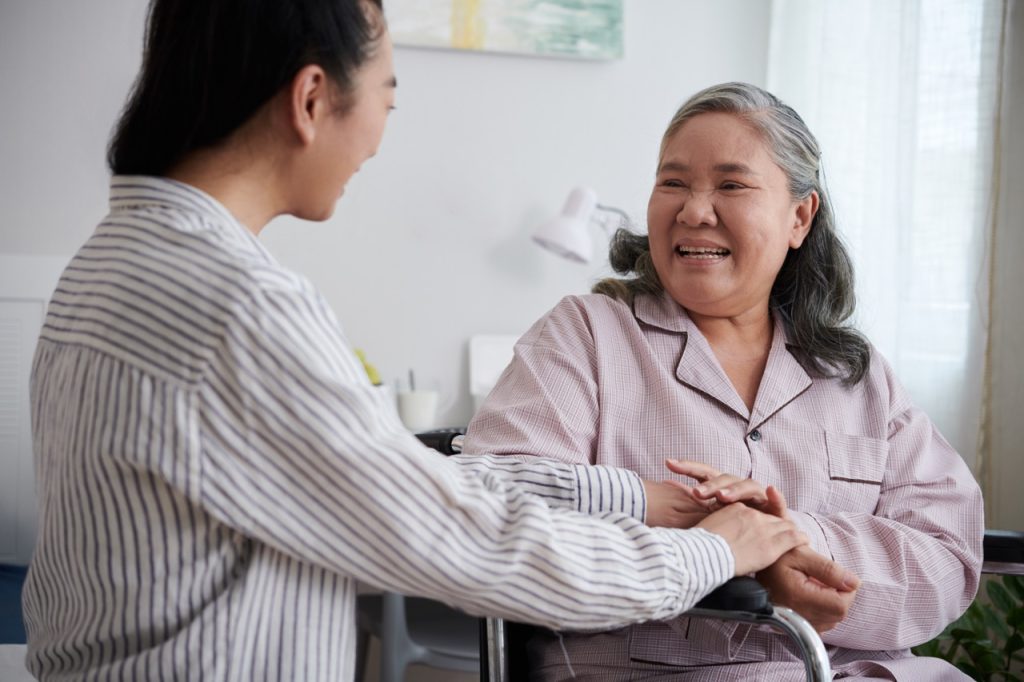
Many families start looking for elderly care support when they realise the situation at home has quietly changed. What used to be simple daily routines now requires more time, more energy, and more supervision.
An elderly parent or grandparent may start needing help with bathing, changing clothes, eating meals on time, taking medication, or moving around the house safely. In Singapore, this is becoming a more common reality as the population continues to age. Official figures show that citizens aged 65 and above made up 20.7% of the population in 2025, and by 2030, around 1 in 4 citizens will be aged 65 and above.
Understanding the daily care tasks a full time caregiver for elderly in Singapore typically handles is important before hiring one. In this guide, we will walk through the kind of support an elderly care helper usually provides, so you can better assess whether this arrangement is suitable for your household.
What Does a Full Time Caregiver for Elderly in Singapore Typically Do?
A full time caregiver for elderly in Singapore is usually hired to support an elderly family member with basic daily care at home. The role focuses on helping the person stay safe, comfortable, and supported throughout the day.
In many homes, this includes assistance with bathing, dressing, meal preparation, feeding, medication reminders, movement around the house, and companionship. Some families may also need help with light housekeeping related to the elderly person’s daily routine.
The exact scope depends on the person’s condition. Some seniors only need light support and supervision. Others may need more hands-on help throughout the day. That is why it is important to understand both the tasks involved and the type of care your family actually needs.
Skills That Matter in Elderly Care
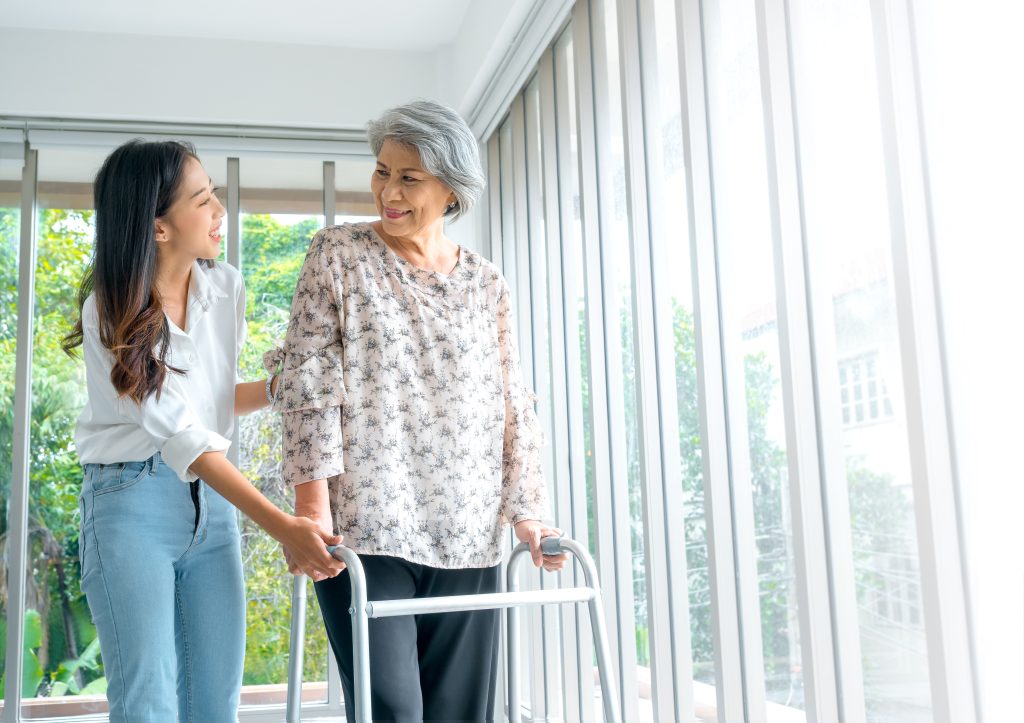
Daily care is not only about getting tasks done. It also depends on whether the helper can handle those tasks safely and calmly.
In elderly care, practical skills matter. A well-prepared helper should be able to communicate clearly, support bathing and feeding, assist with movement and mobility, and pay attention to hygiene and safety. Families also tend to feel more assured when the helper understands fall prevention, can notice basic changes in the elderly person’s condition, and knows how to respond calmly in an urgent situation.
These skills make a difference because elderly care often involves more than physical assistance. It also requires patience, attentiveness, and the ability to support the elderly person with respect and consistency.
7 Daily Care Tasks an Elderly Care Helper Typically Handles
1. Bathing and Personal Hygiene
Helping with bathing and personal hygiene is one of the most common daily care tasks.
As people grow older, bathing can become difficult or unsafe, especially when mobility is weaker or balance is less steady. An elderly care helper may assist with showering, drying off, changing into clean clothes, and basic grooming.
This kind of support helps the elderly person stay clean and comfortable, but it also reduces the risk of slips and falls in the bathroom. For many families, this is one of the first areas where outside help becomes necessary, because it is not always easy to manage safely without someone being there.
2. Changing Clothes and Dressing Support
Getting dressed can become more tiring than many people expect. Weakness, stiffness, joint pain, or limited movement can make changing clothes frustrating and uncomfortable.
An elderly care helper may help with dressing in the morning, changing into fresh clothes during the day, and preparing nightwear in the evening. This support helps maintain routine and comfort, especially for seniors who are no longer fully independent.
While this may sound like a small part of the day, it often has a real impact on confidence and dignity. For family members, it also removes one of the many small daily tasks that gradually become harder to manage on top of everything else.
3. Meal Preparation and Feeding Support
Food is another important part of elderly care at home. Some elderly family members may no longer have the energy to cook, while others may forget to eat on time or need help during meals.
An elderly care helper may prepare regular meals, follow simple dietary routines, and make sure food is served at the right time. If needed, the helper may also assist with feeding.
This kind of support is especially useful for families who worry that their loved one is skipping meals, eating too little, or struggling to manage mealtimes alone. A regular eating routine can make everyday life more stable and helps prevent other issues that may come from poor nutrition.
4. Medication Reminders and Daily Observation
Medication is often one of the biggest concerns for families caring for an elderly parent at home. Even when the medicine is already organised, remembering the right timing every day can still be difficult.
An elderly care helper can help by giving reminders and making sure the routine is followed more consistently. She can also help maintain a more regular schedule and let family members know if something seems unusual.
This regular presence also means someone is around to notice small changes, such as poor appetite, unusual tiredness, low mood, or a change in the person’s normal behaviour. For many families, this kind of day-to-day observation is one of the biggest reasons for hiring full-time support.
5. Movement and Mobility Support
Many elderly people become less steady with movement over time. Walking, standing up, sitting down, or moving between rooms may start requiring more effort and more caution.
An elderly care helper may support the elderly person while moving around the home and help make everyday activities safer. This kind of mobility support is closely tied to fall prevention, which is a major concern in many households.
This concern is very real in Singapore. HealthHub notes that around 8,000 seniors are admitted to hospitals every year because of falls. For families who worry about accidents happening at home, having someone there to support movement and supervise daily routines can provide valuable peace of mind.
6. Companionship and Emotional Support
Good elderly care is not only about physical help. Many seniors also need emotional support, especially when they spend long hours at home alone.
An elderly care helper often becomes a familiar daily presence. She may talk to the elderly person, sit with them during meals, or simply keep them company through the day. This kind of companionship can make the home feel less quiet and less lonely.
For families, this is also deeply reassuring. Many adult children want to spend more time with their parents, but work and daily responsibilities often make that difficult. Knowing that someone is there to provide not just practical help, but also human company, can make a meaningful difference.
7. Light Housekeeping Related to Elderly Care
In most homes, elderly care also comes with some basic household support. The helper may tidy the elderly person’s room, wash clothes, prepare bedding, and keep the living area clean and comfortable.
This is not the same as saying elderly care is only housework. Rather, these tasks support the person’s daily comfort and routine. A clean and organised space makes it easier for the elderly person to move around safely and helps the household run more smoothly overall.
Depending on the family’s arrangement, the helper may also assist with simple meal setup, laundry, and daily essentials related to the elderly person’s care.
When Is This Type of Support a Good Fit?
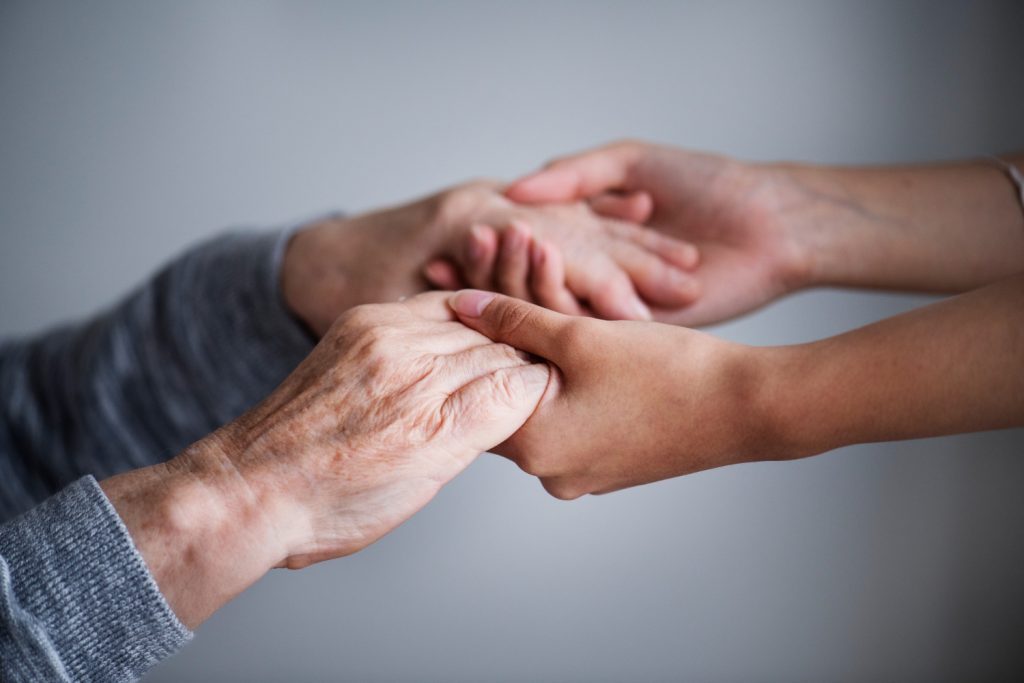
A full time caregiver for elderly in Singapore is often a good fit when the support needed is regular, practical, and part of the everyday routine.
This is usually the case when the elderly person needs help with bathing, dressing, meals, medication reminders, daily supervision, or safe movement around the house. It is also a practical option when family members are working full time and cannot be at home throughout the day.
For many households, the decision becomes clearer when they realise the care is no longer occasional. It has become part of daily life, and managing it without dependable support is becoming physically or emotionally difficult.
What This Type of Support Does Not Replace
It is also important to be realistic about the role.
A full time caregiver for elderly in Singapore can support many basic daily needs, but this is not the same as professional nursing care. If the elderly person has more complex medical conditions, advanced nursing needs, or requires specialised treatment, the family may still need additional medical support.
Being clear about this helps set the right expectations. It also makes it easier to match the helper’s role to the actual needs of the elderly person, instead of expecting one arrangement to cover everything.
Final Thoughts
When families start exploring elderly care support, the most important question is what kind of daily help is actually needed at home.
A full time caregiver for elderly in Singapore can support many of the routines that become harder with age, including bathing, dressing, meal preparation, feeding support, medication reminders, movement around the home, companionship, and light household support related to care.
Once you understand the daily tasks involved, it becomes much easier to decide whether this type of support is the right next step for your household.
Need Help Finding the Right Elderly Care Helper?

Choosing a helper for elderly care at home is not only about filling a role. It is about finding someone who can support your loved one with the right level of care, patience, and attention.
At Homekeeper, elderly care helpers are trained in practical daily care skills such as effective communication, bathing, feeding, movement and mobility, fall prevention, infection control, basic vital signs, and managing emergencies. This helps families feel more assured that their loved one is receiving more attentive and structured support at home.
Reach out to us if you would like to learn more about elderly care support at home.
Frequently Asked Questions
- What daily tasks can an elderly care helper usually handle?
An elderly care helper usually handles bathing support, changing clothes, meal preparation, feeding assistance, medication reminders, mobility support, companionship, and light housekeeping related to elderly care. The exact duties still depend on the elderly person’s condition and the household’s needs.
- Can an elderly care helper help with bathing and changing clothes?
Yes. Bathing and dressing support are among the most common daily care tasks handled by an elderly care helper.
This can be especially helpful for elderly individuals who have weaker mobility, poor balance, or difficulty managing personal hygiene independently.
- Can an elderly care helper remind the elderly person to take medication?
Yes. An elderly care helper can help remind the elderly person to take medication on time and follow a more regular daily routine.
However, medication reminders are not the same as professional medical care. Families should still be clear about what medical support may be needed separately.
- Can an elderly care helper help prevent falls at home?
An elderly care helper can support safer movement around the house and reduce fall risk by helping the elderly person walk, sit, stand, and move more carefully.
This is important because falls are a major concern for many families caring for elderly loved ones at home.
- Is an elderly care helper suitable for seniors with medical conditions?
It depends on the level of care required. An elderly care helper is usually suitable for basic daily care and supervision at home.
If the elderly person has more complex medical conditions, advanced nursing needs, or requires specialised treatment, additional professional medical support may still be necessary.
- When should a family consider hiring a full time caregiver for elderly in Singapore?
A family should consider hiring full-time support when the elderly person needs regular help with daily routines such as bathing, dressing, meals, medication reminders, supervision, or movement around the house.
This is often the case when family members are unable to provide consistent care during the day due to work or other responsibilities.
- Can an elderly care helper also do household chores?
Yes, in many households an elderly care helper may also assist with light housekeeping related to the elderly person’s daily routine.
This may include tidying the room, washing clothes, preparing bedding, and helping keep the living space clean and comfortable.
About the Author
Linda Seh has over 20 years of experience in the Employment industry. She takes the time to thoroughly interview each family and helper to understand their requirements, personalities, and preferences. Her intuition and insight has helped her make placements that result in lasting, harmonious working relationships. Linda now leverages this expertise and experience to simplify your search and ensure you find the ideal and qualified helper to become a valued member of your family.