Hiring a new maid in Singapore can make daily life more manageable, particularly for families balancing work, childcare and elderly care. However, welcoming a domestic helper into your home involves more than giving her a list of household chores.
Even if your helper has worked for another family before, your home will have different routines, equipment and expectations. A first-time helper may also have completed training before deployment but still need time to adjust to life in Singapore.
Many difficulties during the first few weeks arise from simple assumptions rather than a lack of ability. Here are 10 things employers should not assume when a new domestic helper joins the household, and what to do instead.
1. Your New Maid Needs Time to Learn Your Household Routine
Every family has its own way of organising the day. Some households prepare breakfast before the children leave for school, while others may need assistance with an elderly family member early in the morning.
Your new maid will not automatically know which tasks matter most or how much time you expect her to spend on them.
Start with a realistic daily schedule covering meals, cleaning, laundry and any caregiving responsibilities. Explain which tasks are essential and which can wait if something unexpected happens. For example, preparing an elderly parent’s lunch may take priority over folding clothes.
A schedule provides direction, but it should not be so rigid that your helper has no time for meals or rest.
2. Pre-Employment Training May Not Cover Your Household’s Specific Needs
Training can prepare a helper for general housekeeping or caregiving tasks. It cannot cover every preference and arrangement in your home.
For example, a helper trained in cleaning may not know that your wooden dining table requires a particular product. Someone familiar with basic cooking may still need guidance on preparing your family’s usual dishes.
During the first few days, demonstrate important tasks and let her practise. Give feedback on the method rather than assuming she should already know it.
Homekeeper provides maid pre-employment training in areas such as housekeeping, infant care and elderly care. Employers should still provide a household-specific handover after deployment.
3. Your New Maid May Be Unfamiliar With Certain Household Appliances
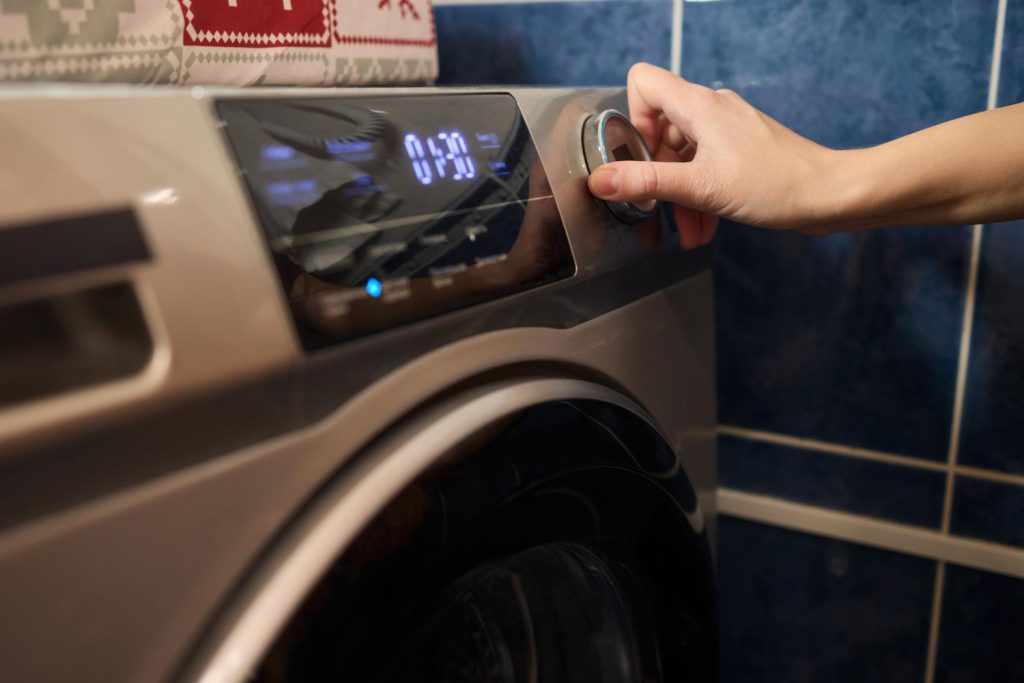
Washing machines, induction hobs, dryers and vacuum cleaners can work differently from one home to another. Even an experienced helper may be unfamiliar with the exact model you use.
Show her which settings are suitable for delicate clothing, how to switch off cooking equipment and where the appliance manuals are kept. Explain any surfaces that need special care.
Cleaning products also require clear instructions. In particular, remind her never to mix bleach with other cleaning chemicals and to keep such products away from children.
When the task involves heat, electricity or chemicals, a short demonstration is more useful than assuming the instructions are obvious.
4. Your Family’s Food Preferences Need to Be Explained
A helper who can cook may not be familiar with your preferred ingredients, portion sizes or cooking methods. This is especially relevant if your family follows a particular diet or has young children who eat separate meals.
Instead of expecting a complete weekly menu immediately, begin with a few commonly prepared dishes. Show her how you prefer them cooked and where ingredients are stored.
If someone at home has a food allergy, provide a written list of ingredients to avoid and explain how to prevent cross-contact during food preparation.
Remember to discuss your helper’s dietary requirements too. Employers are responsible for providing adequate food and should respect any religious or dietary restrictions.
5. Childcare Experience Does Not Mean She Can Work Independently From Day One
Childcare experience can be helpful, but every child has different habits, needs and safety considerations.
For example, a helper who has cared for school-going children may not be familiar with your baby’s feeding routine. Even if she has cared for infants before, she needs to understand your child’s particular arrangements.
Explain feeding times, allergies, safe sleeping practices, pick-up arrangements and the situations in which she must contact you immediately. Supervise unfamiliar activities before leaving her to manage them independently.
If your household needs specialised support, explore Homekeeper’s infant care maid service and discuss the relevant training requirements before assigning duties.
6. Every Elderly Family Member Has Different Care Needs

Supporting an elderly family member can involve very different responsibilities. One person may only need companionship and assistance with meals, while another may have mobility difficulties or require closer supervision.
Do not assume that experience caring for one senior means your helper already knows how to assist yours.
Explain your family member’s daily habits, mobility limitations, dietary needs and any instructions provided by healthcare professionals. Demonstrate safe assistance techniques where appropriate, and seek professional guidance for tasks that require special skills.
A domestic helper should not be expected to perform medical procedures for which she has not been properly trained or authorised. Families with more specific caregiving requirements can learn about Homekeeper’s elderly care helpers.
7. Saying “Yes” Does Not Always Mean She Understands
A new helper may agree with an instruction because she is nervous, trying to be polite or unsure how to ask for clarification.
Instead of repeatedly asking whether she understands, explain one task at a time and invite her to describe the steps in her own words. A short demonstration or translated note can also help when there is a language barrier.
Focus especially on instructions involving allergies, childcare, household security or safety. Clear communication is more important than perfect English.
If she gets a task wrong, first check whether the instruction was clear before concluding that she was not paying attention.
8. Your New Maid May Not Know What to Do During an Emergency
Your helper may not know your full residential address, where emergency supplies are kept or which family member should be contacted first.
Before she manages important responsibilities alone, explain what to do in situations such as a fire, a fall or a child becoming seriously unwell.
Keep a written emergency sheet with your address, family contact numbers and Singapore’s emergency numbers: 995 for ambulance and fire emergencies, and 999 for police assistance.
You can practise a simple scenario together. The purpose is to make sure she knows when to call for help and how to provide accurate information, not to expect her to handle a medical emergency herself.
9. Your New Maid May Hesitate to Report Mistakes or Problems
Some new helpers hesitate to ask questions or report mistakes because they are worried about disappointing their employers.
If a glass is broken, an appliance stops working or a task is unfamiliar, encourage her to tell you promptly. Explain that hiding a safety problem is more serious than reporting it early.
A short conversation at the end of the day can help during the adjustment period. Ask whether any instructions were difficult and what she needs clarified for the following day.
Responding calmly to honest questions makes it easier to identify problems before they become bigger misunderstandings.
10. Living Together Does Not Mean Being Available 24/7
A live-in domestic helper is not expected to work continuously. She needs adequate meals, rest, sleep and suitable accommodation.
Under MOM’s rest-day requirements, migrant domestic workers are entitled to one rest day per week. If both parties agree that she will work on a rest day, compensation is required. At least one rest day each month cannot be compensated away.
If your household occasionally needs help at night, such as when caring for an infant or elderly person, discuss the arrangement in advance and make sure she can rest adequately at other times.
A manageable schedule is better for both the household and the helper than expecting her to be on call throughout the day and night.
A Simple First-Week Plan for Your New Maid
The first week does not need to be a test of how quickly your helper can manage everything. It is an opportunity to establish a safe and workable routine.
- Day 1: Introduce the home. Show her the main facilities, household members, emergency information and personal living arrangements.
- Days 2-3: Demonstrate priority tasks. Start with the responsibilities that affect safety, meals and the family’s immediate needs.
- Days 4-5: Let her practise. Observe unfamiliar tasks, answer questions and make small adjustments to the schedule.
- End of the week: Review together. Discuss what is going well, where more guidance is needed and whether the workload is realistic.
For a helper newly arriving in Singapore, complete the relevant employment requirements before she starts work. A first-time migrant domestic worker must attend the Settling-in Programme within seven days of arrival, excluding Sundays and public holidays, and before starting work. Newly arrived helpers must also complete a pre-employment medical examination within two weeks of arrival before the Work Permit can be issued.
For more details on the examination, read Homekeeper’s guide to the maid medical check up in Singapore.
What If Your New Maid Is Still Struggling?
If a difficulty continues, identify the specific task or situation rather than assuming that the helper is unsuitable. There may be a gap in instructions, a need for additional training or a mismatch between the agreed duties and the actual responsibilities.
Where appropriate, speak with your maid agency about counselling or further training. If the concern involves immediate safety, address it promptly rather than waiting for the next review.
A new maid’s first few weeks should be assessed through her progress and ability to work safely, not whether she completes every unfamiliar task perfectly on the first attempt.
Conclusion
Welcoming a new maid in Singapore requires clear expectations, practical guidance and time to adjust. Household routines, communication, safety procedures and caregiving needs should be explained rather than assumed.
By providing a proper handover and encouraging questions, employers can help their helper settle into the household while reducing avoidable misunderstandings.
Need Help With Your New Domestic Helper in Singapore?

Bringing a new domestic helper into your household requires proper preparation, clear communication, and ongoing guidance. If your helper is struggling to adjust or needs additional training, getting support from an experienced maid agency can help address these concerns.
Established in 1998, Homekeeper has helped more than 80,000 families find suitable domestic helpers in Singapore. With over 300 candidate profiles, comprehensive background checks, and training support through local and overseas training centres, we help employers find helpers who match their household requirements.
From candidate shortlisting and interviews to Work Permit applications and employment documentation, Homekeeper supports employers throughout the hiring process. We also provide counselling and additional training after deployment when needed, helping employers and helpers address difficulties during the adjustment period.
Whether you are preparing to hire a new maid or need assistance with your existing helper, contact Homekeeper to discuss your household’s needs.
Frequently Asked Questions
- How Long Does a New Maid Need to Settle In?
There is no fixed period. The time required depends on her previous experience, the complexity of the household routine and the guidance available. Look for gradual improvement rather than expecting every task to be familiar immediately.
- Should I Give My New Maid a Written Schedule?
A simple written schedule can help her remember priorities and avoid confusion. Keep it flexible, allow sufficient rest and update it as your household’s needs change.
- What Should I Do If My Helper Keeps Making the Same Mistake?
Explain the task again, demonstrate the preferred method and check whether the instruction has been understood. If the issue continues, consider whether extra training or advice from the agency would help.
- Can My Maid Start Work Before Attending the Settling-in Programme?
A first-time migrant domestic worker who is required to attend the programme cannot start work before completing it. Check the instructions in her in-principle approval letter and follow MOM’s requirements.